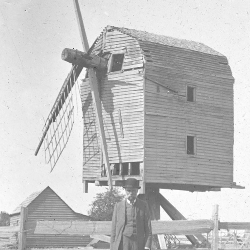
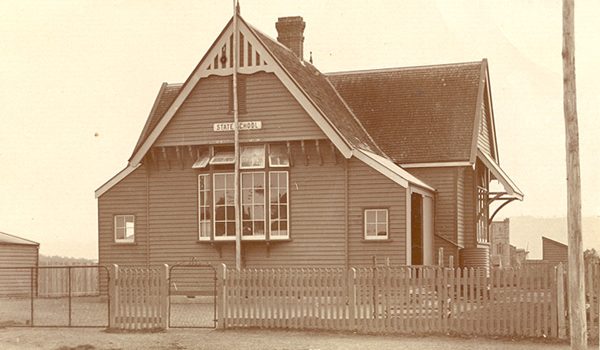
Sorell School holds a unique distinction as the oldest government-funded school in Australia to have operated continuously on its original site. Established in 1821 under the direction of Governor Lachlan Macquarie, the school has evolved from a modest, stone schoolhouse into a modern, unified multi-purpose campus catering to students from early childhood through senior secondary levels.
Key Historical Milestones
The Colonial Foundation (1821–1887)
- 1821: Governor Lachlan Macquarie finalized the school’s location. Constructed via convict labour, the first schoolhouse, of Georgian design, faced Gordon Street opening in Dec 1821. It functioned concurrently as a school and a temporary chapel.
- First Leadership: Charles Edward Hippesley Cox was appointed as the inaugural Headmaster, managing an initial class of 57 pupils. The colonial government paid him a salary of £20 per annum and gave him a ration and a half of provisions, and the services of an assigned convict servant. Additionally, parents of the children attending paid fees to the first headmasters.
- Supervision: The school originally operated under local Church of England clergy oversight, transitioning to direct colonial government administration in 1840.
Structural Evolution & Consolidations (1888–1981)
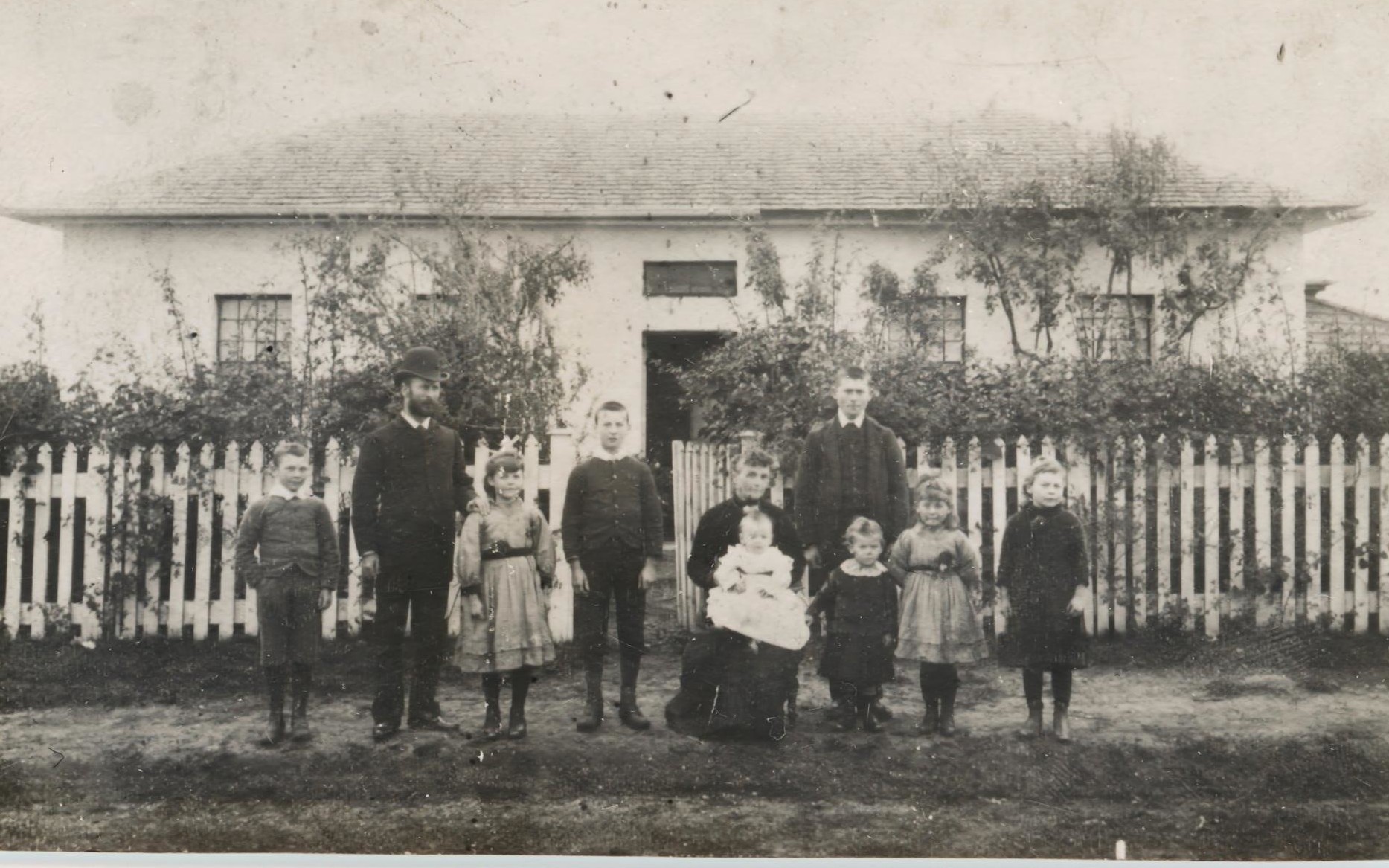
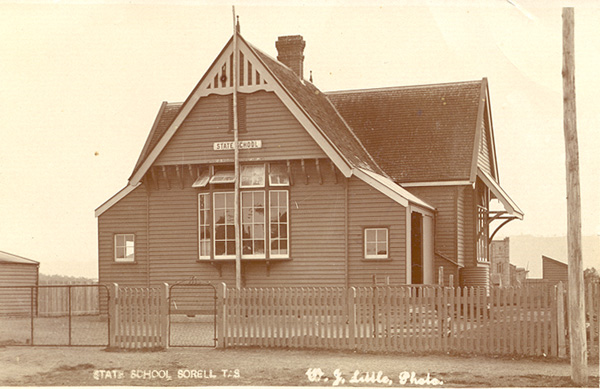
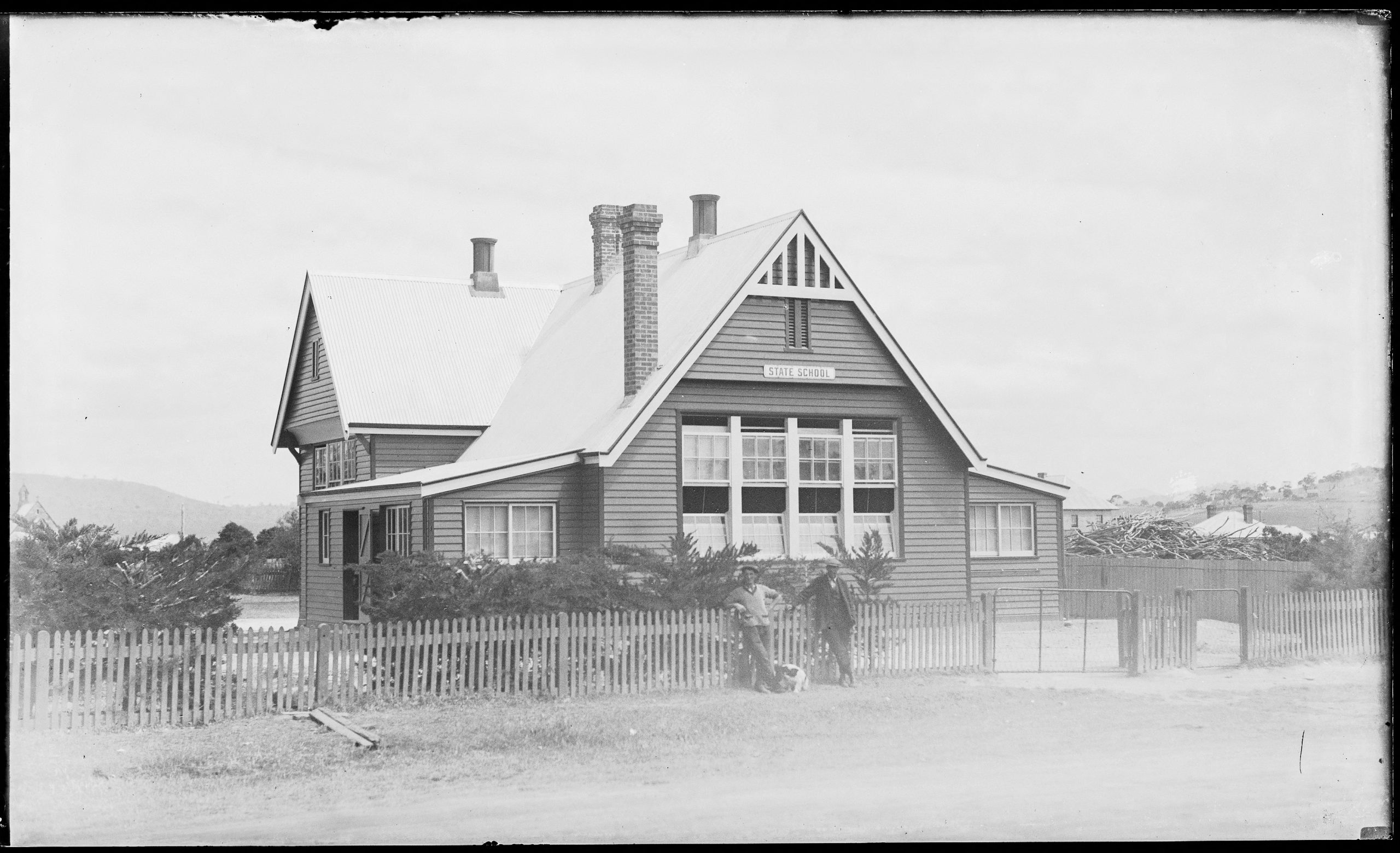
- 1888: The original brick and stone building was retired from active teaching and converted into a headmaster’s residence. It was later demolished in 1921 with the 1821 foundation stone reused in the footings of a new house under construction across the street. The new weatherboard schoolhouse with stone foundations and shingled roof was completeded in November 1888.
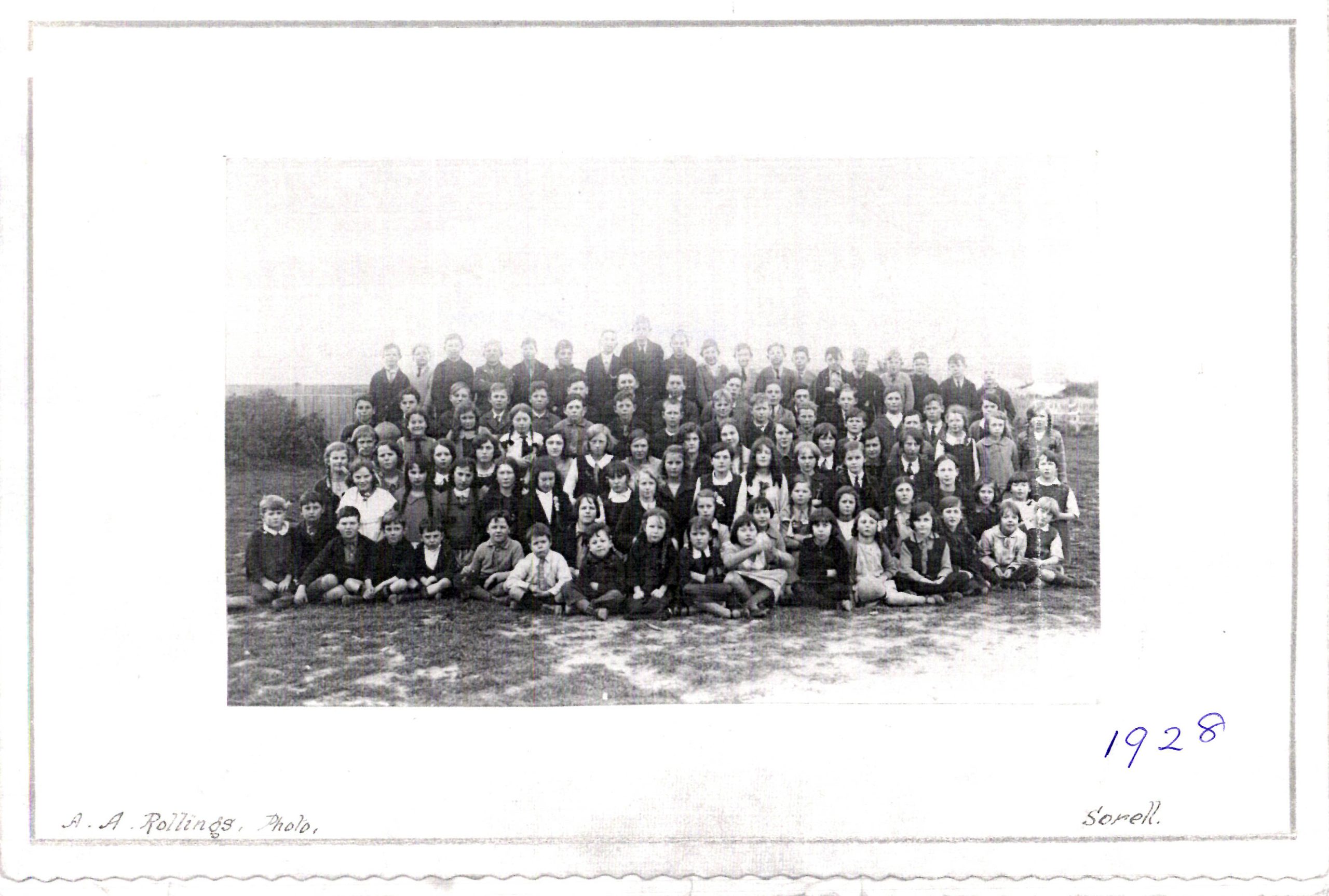
- 1930s Rural Expansion: The school transitioned into an “Area School” model. Land acquisitions expanded the footprint of the site to integrate a functional school farm, and later the Pioneer Village.
- Regional Amalgamations: To streamline rural education, several regional institutions were systematically consolidated into Sorell School:
-
- Wattle Hill School & Cherry Tree School (1939)
- Forcett School (1949)
- Cambridge & Nugent Schools (Senior Grades merged in 1950).
Fire, Reconstruction, & The Modern Era (1982–Present)
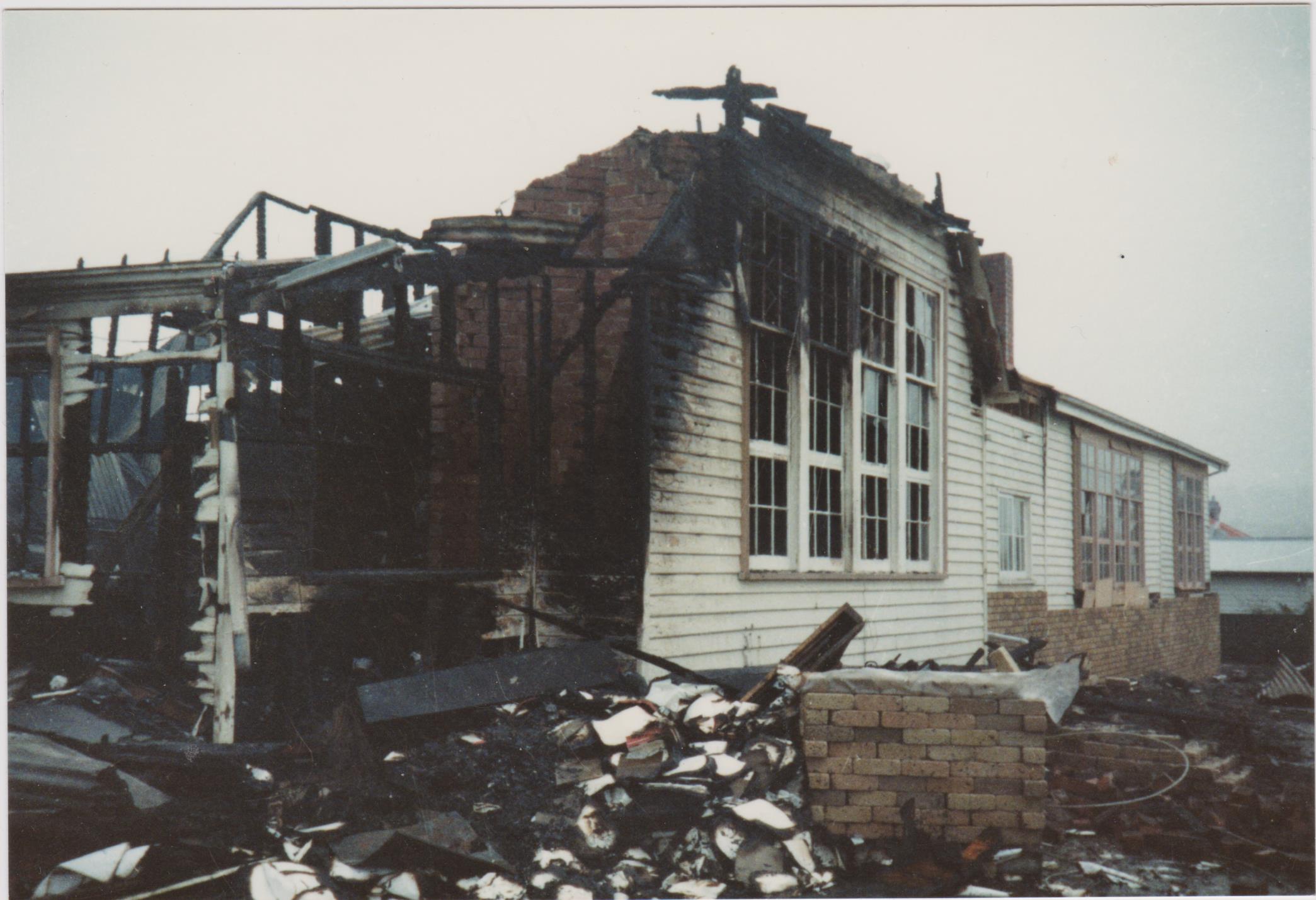
- 1984 Fire Event: A devastating fire destroyed most of the Secondary School structures.
- 1987 Renewal: Modern brick structures for the secondary section and a 10-classroom primary block were officially opened by the Premier of Tasmania after fire damage.
- 2025 Master Redevelopment: On May 26, 2025, Premier Jeremy Rockliff officially opened a comprehensive complex of newly constructed and refurbished facilities, bringing the K-12 student body onto a singular, unified campus.
Signature Specialised Programs
- Sorell School leverages its extensive grounds and historic lineage to operate a series of distinct experiential learning programs:
- The Pioneer Village: This extensive living-history environment features a replica settlement including a working blacksmith’s shop, an authentic early schoolroom, a drapery shop, a post office, and a settler’s hut. Students engage in historical role-play and immersive studies of early Australian settlement.
- Vocational Education & Trade Studies: The Southeast Trade Training centre continues a curriculum tradition that traces back to the first programs in Agricultural studies that began with apiary and crop programs initiated in the 1930s on the school farm.
Notable Alumni & Historic Figures
- George Peacock (Principal, 1834–1860): One of the school’s most notable early headmasters. Originally a “Bluecoat Boy” from London’s Christ’s Hospital School, he guided the school for over 25 years and simultaneously served as Sorell’s postmaster for more than three decades.
- Sir Robert Cosgrove (1884–1969): An early scholar who went on to become Tasmania’s longest-serving Premier, holding office for nearly 19 years.
- Neil Davis (1934–1985): Renowned combat photojournalist and filmmaker.
- Royce Hart (1948–): Iconic Australian Rules footballer inducted into the Australian Football Hall of Fame.
- Alison Watkins AM (1962-): Business woman and University of Tasmania Chancellor.
- Rebecca White (1983–): Contemporary Tasmanian political leader and Member for Lyons.